Dorothea Lange
1895 – 1965
The photographer who gave the Great Depression a human face
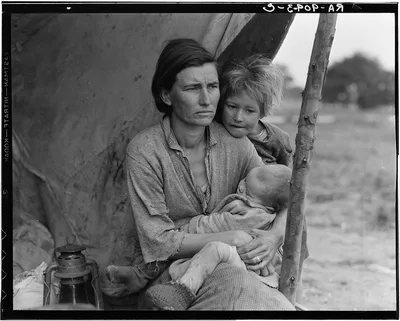
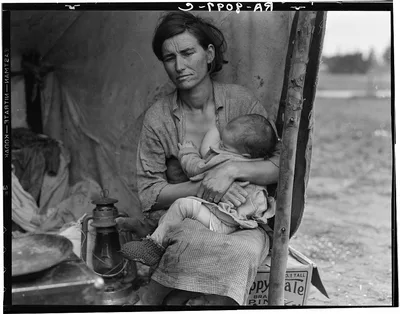
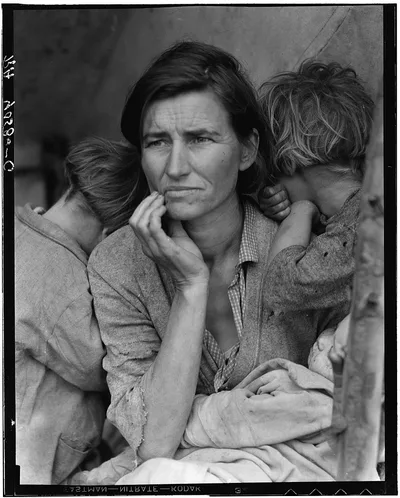 Migrant Mother, 1936
Signature Work
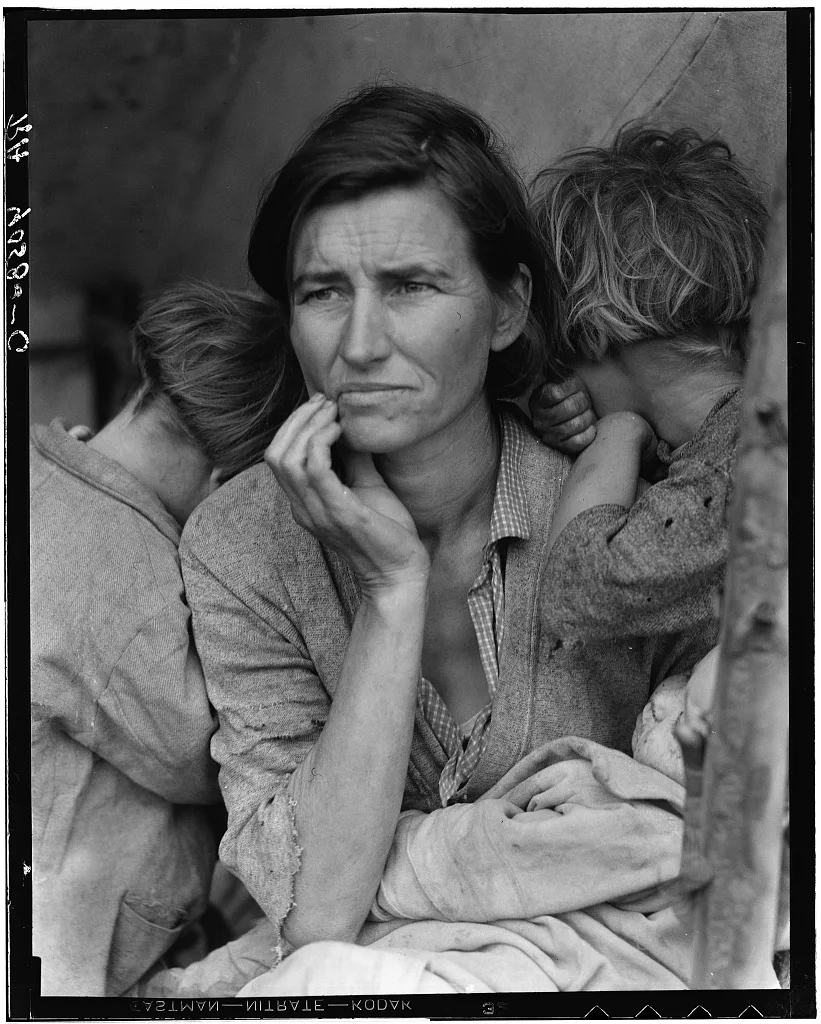
Migrant Mother, 1936
Photograph shows Florence Thompson with three of her children in a photograph known as "Migrant Mother." For background information, see "Dorothea Lange's M̀igrant Mother' photographs ..." http://www.loc.gov/rr/print/list/128_migm.html
Nipomo, San Luis Obispo County, California
Dorothea Lange was born Dorothea Margaretta Nutzhorn on May 26, 1895, in Hoboken, New Jersey, to second-generation German immigrants. At age seven, she contracted polio, which left her with a permanent limp in her right leg—a physical characteristic she later credited with shaping her empathetic eye and ability to connect with marginalized subjects.
After her father abandoned the family when she was twelve, Dorothea took her mother's maiden name, Lange. She studied photography under Arnold Genthe and Clarence H. White, two of the era's most respected pictorialist photographers, while also attending classes at Columbia University.
In 1918, Lange moved to San Francisco, where she opened a successful portrait studio the following year. Her clientele included the city's wealthy elite, but the onset of the Great Depression fundamentally altered her artistic direction. Watching unemployed men gather outside her studio window, she felt compelled to document the human toll of economic collapse. Her 1933 photograph "White Angel Breadline," made at a San Francisco soup kitchen, marked this turn from studio portraiture to social documentary.
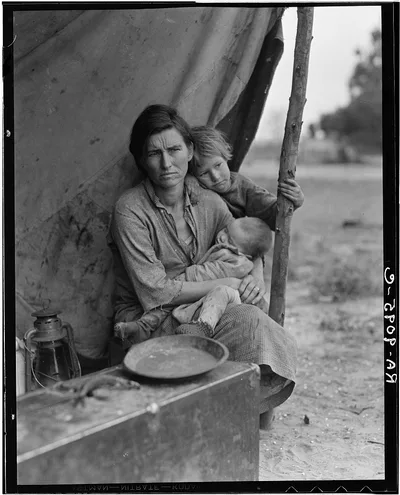
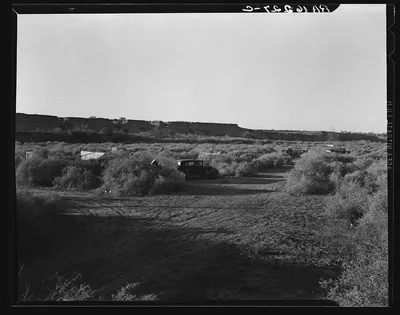
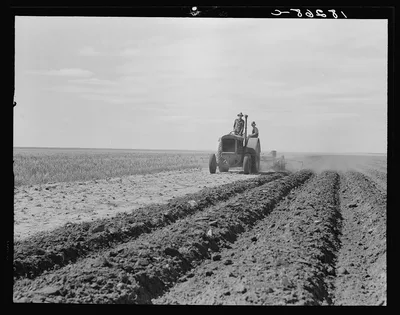
In 1935, Lange was hired by the Resettlement Administration (later the Farm Security Administration) under Roy Stryker. Over the next several years, she traveled throughout the American South and West, creating some of the most enduring images of the Depression era. Her 1936 photograph "Migrant Mother" became the defining image of the period.
That same year, she married economist Paul Schuster Taylor, who became her intellectual partner and frequent collaborator. Together, they documented migrant labor conditions, and Taylor's research provided context for her photographs in their joint publications — most notably their 1939 book "An American Exodus: A Record of Human Erosion," which paired her images of Dust Bowl migration with their field testimony.
During World War II, Lange was commissioned by the War Relocation Authority to document the forced internment of Japanese Americans. These photographs were deemed so powerful and potentially inflammatory that they were impounded by the U.S. Army and not released until 2006.
In her later years, despite declining health from post-polio syndrome and ulcers, Lange continued photographing. She traveled to Asia, Egypt, and Ireland on assignment and worked on a retrospective of her career. Dorothea Lange died of esophageal cancer on October 11, 1965, just months before her major retrospective opened at the Museum of Modern Art.
A Career in Images
"The camera is an instrument that teaches people how to see without a camera."
— Dorothea Lange